


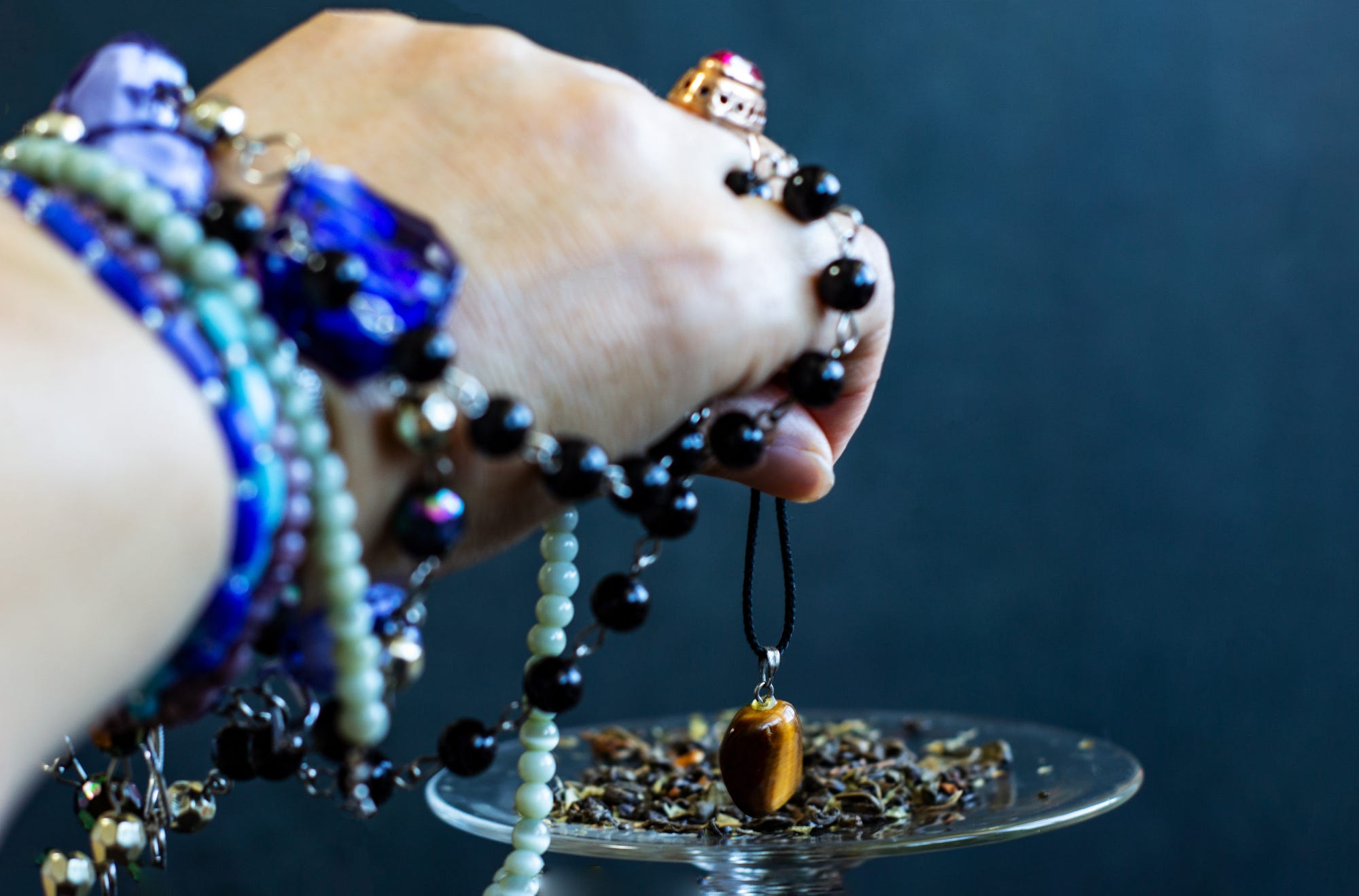
Spellwork and rituals are often at the heart of many witchcraft traditions. To an outsider they might look like a series of strange actions involving candles, herbs, symbols, and spoken words. But for practitioners, these actions carry deep meaning. Every object and gesture used in a ritual usually represents something larger than itself.
Symbolism plays an important role in witchcraft because it helps bridge the gap between the physical world and the unseen forces that practitioners believe they are working with. A symbol acts like a kind of language. It communicates intention, emotion, and purpose in a way that goes beyond ordinary words.
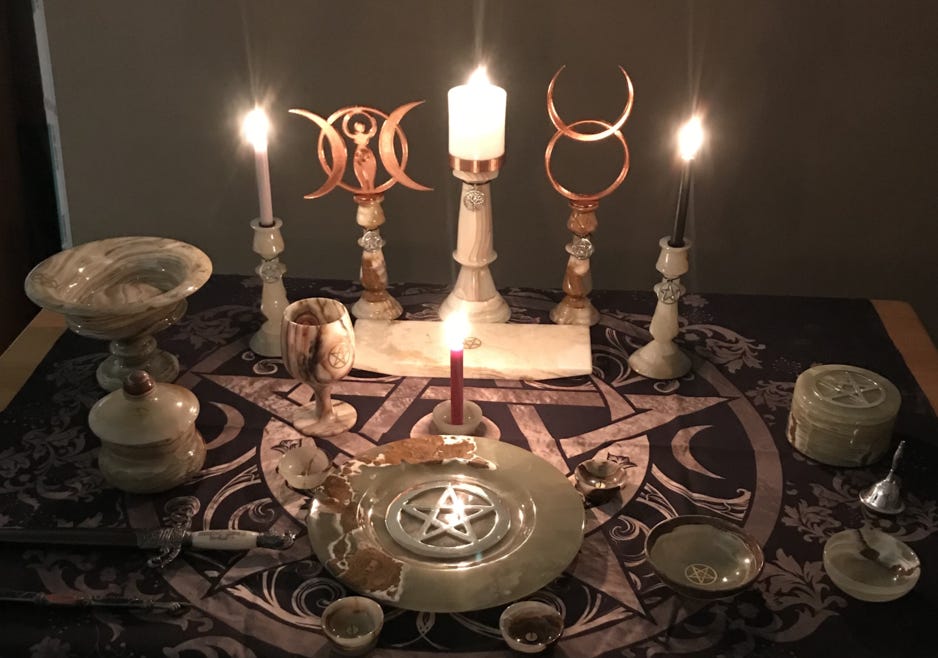
One of the most common symbolic tools in spellwork is the candle. Different candle colors are believed to represent different intentions. For example, white is often connected with purity or protection, red may symbolize passion or strength, and green is commonly associated with prosperity or growth. Lighting a candle is not just about the flame. It is meant to focus energy and intention toward a specific goal.

Herbs also carry layers of symbolism within ritual practice. Throughout history many plants were believed to hold special properties. Lavender might be used in spells meant to bring calm and peace, while rosemary is often connected with protection and remembrance. These associations come from centuries of folklore, traditional medicine, and cultural beliefs.
Another powerful symbol often used in witchcraft is the circle. Practitioners sometimes cast a ritual circle before beginning spellwork. This circle is believed to create a sacred space that separates the ritual from the ordinary world. Symbolically, it represents protection, unity, and the idea that everything within the circle is connected.
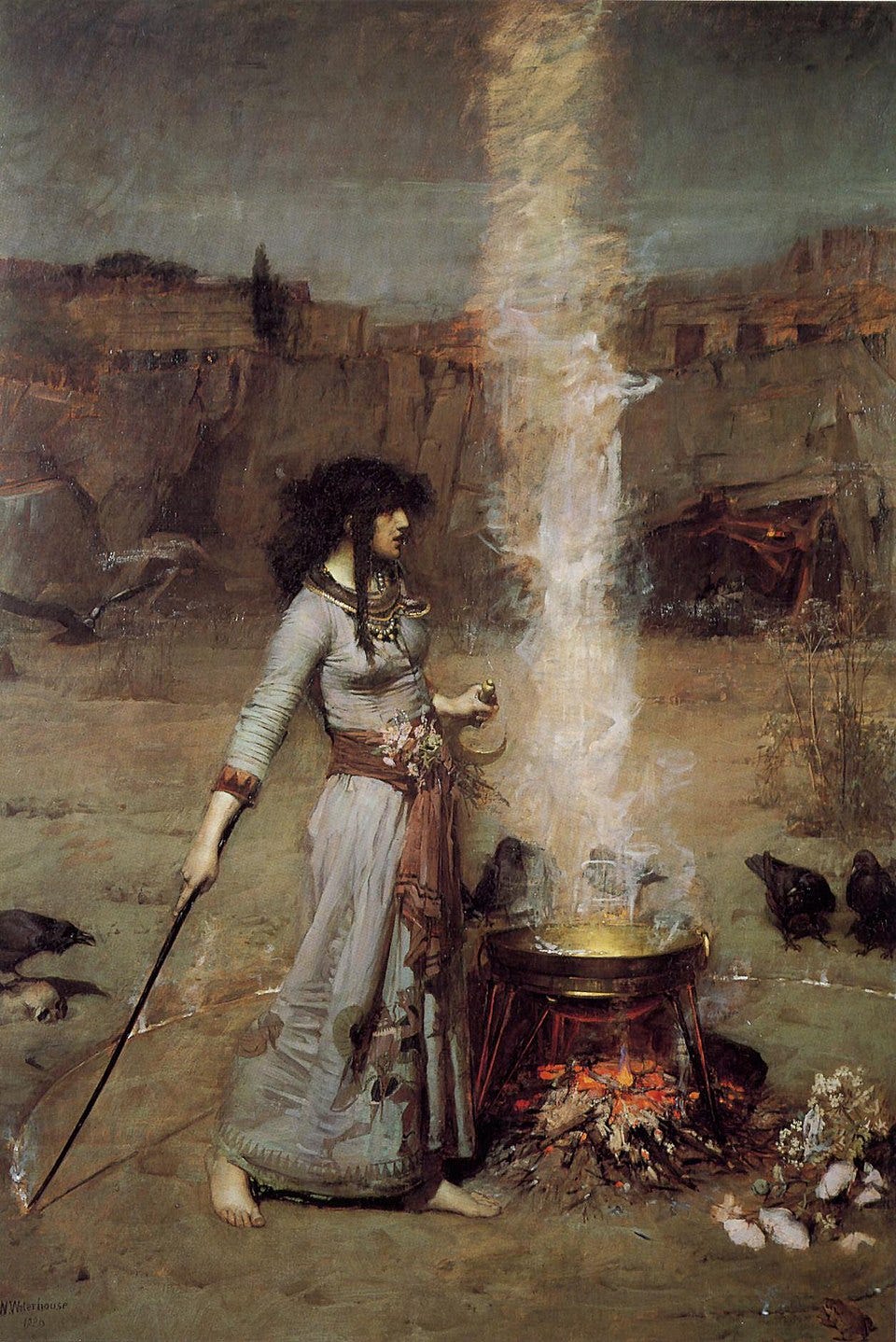

Many rituals also involve the four classical elements. Earth, air, fire, and water are commonly called upon to represent the balance of nature. Earth can symbolize stability and grounding, air may represent thought and communication, fire is often linked to transformation and power, and water is connected with emotion and intuition. Including these elements in rituals helps reflect the belief that magic works through the forces of nature.
Symbols drawn or carved into tools are also an important part of spellwork. Sigils, runes, and pentagrams are examples of symbols that carry layered meanings. A sigil might represent a specific intention created by the practitioner, while a pentagram often symbolizes protection, balance, and the harmony of the elements.
Marks of the Infernal: The Hidden Meanings of Demon Sigils

There is something unsettling about a symbol that feels older than memory. Demon sigils are exactly that. They are intricate marks said to represent specific infernal entities, each line and curve carrying intention, identity, and power. To some, they are works of occult art. To others, they are doorways.
Timing can also be symbolic in witchcraft. Many practitioners plan rituals according to the phases of the moon. A waxing moon is often associated with growth and attraction, making it a popular time for spells focused on gaining something. A waning moon may symbolize release or banishing, which makes it suitable for spells meant to remove negativity.
Ritual actions themselves also carry meaning. Stirring ingredients in a certain direction, repeating words, or performing specific gestures can all symbolize the flow of energy. These repeated actions help the practitioner focus their mind and strengthen their intention.
Lunar Cycles and Magic: Why the Moon Matters

For as long as human beings have looked up at the night sky, the Moon has held a strange and powerful pull over the imagination. It glows without burning, shifts shape without vanishing, and seems to watch the world in silence. In witchcraft, that steady silver presence is more than just a pretty light in the dark. It is a clock, a compass, and a source…
Tools used in witchcraft are often chosen for symbolic reasons as well. Items like the athame, wand, chalice, and cauldron are not just decorative objects. Each tool traditionally represents different forces or aspects of the ritual. For example, a chalice can symbolize the element of water and the concept of receiving energy.
Even the words spoken during a ritual carry symbolic power. Chants and incantations help shape the intention of the spell. The rhythm and repetition of the words can create a meditative state that helps the practitioner stay focused on their goal.
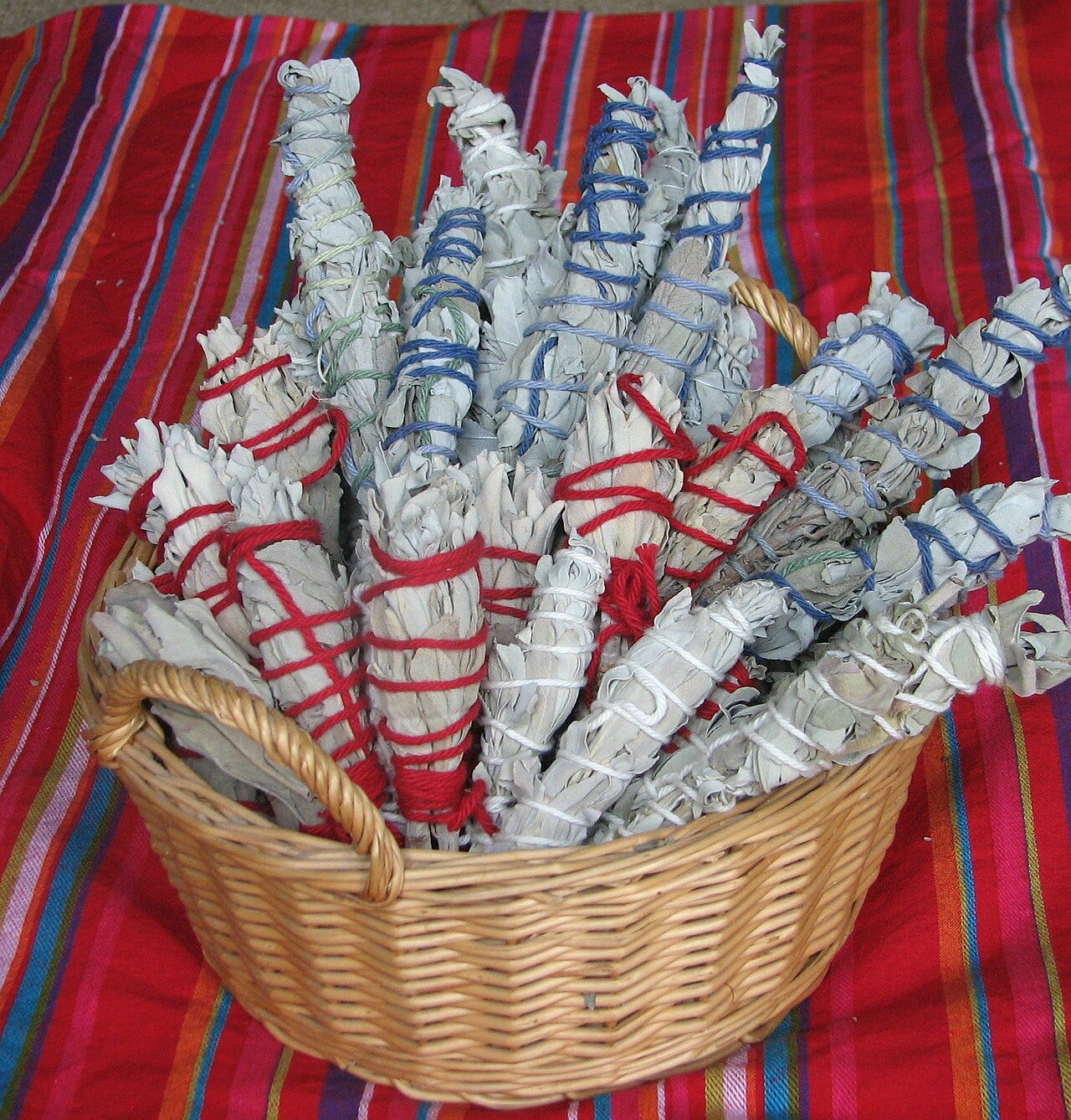

In the end, the symbolism behind spellwork and rituals is what gives these practices their meaning. Each candle, herb, symbol, and gesture becomes part of a larger story being told through the ritual. For practitioners of witchcraft, these symbols help turn ordinary actions into something that feels sacred, intentional, and deeply connected to the mysteries of the natural world.
References
Adler, Margot. Drawing Down the Moon: Witches, Druids, Goddess-Worshippers, and Other Pagans in America Today. Revised and expanded ed., Penguin Books, 2006.
Cunningham, Scott. Wicca: A Guide for the Solitary Practitioner. Llewellyn Publications, 1988.
Cunningham, Scott. Encyclopedia of Magical Herbs. Llewellyn Publications, 1985.
Farrar, Janet, and Stewart Farrar. The Witches’ Way: Principles, Rituals and Beliefs of Modern Witchcraft. Robert Hale, 1984.
Greer, John Michael. The Encyclopedia of Natural Magic. Llewellyn Publications, 2015.
Hutton, Ronald. The Triumph of the Moon: A History of Modern Pagan Witchcraft. Oxford University Press, 1999.
Kraig, Donald Michael. Modern Magick: Twelve Lessons in the High Magickal Arts. Llewellyn Publications, 1988.
Valiente, Doreen. Witchcraft for Tomorrow. Phoenix Publishing, 1978.