


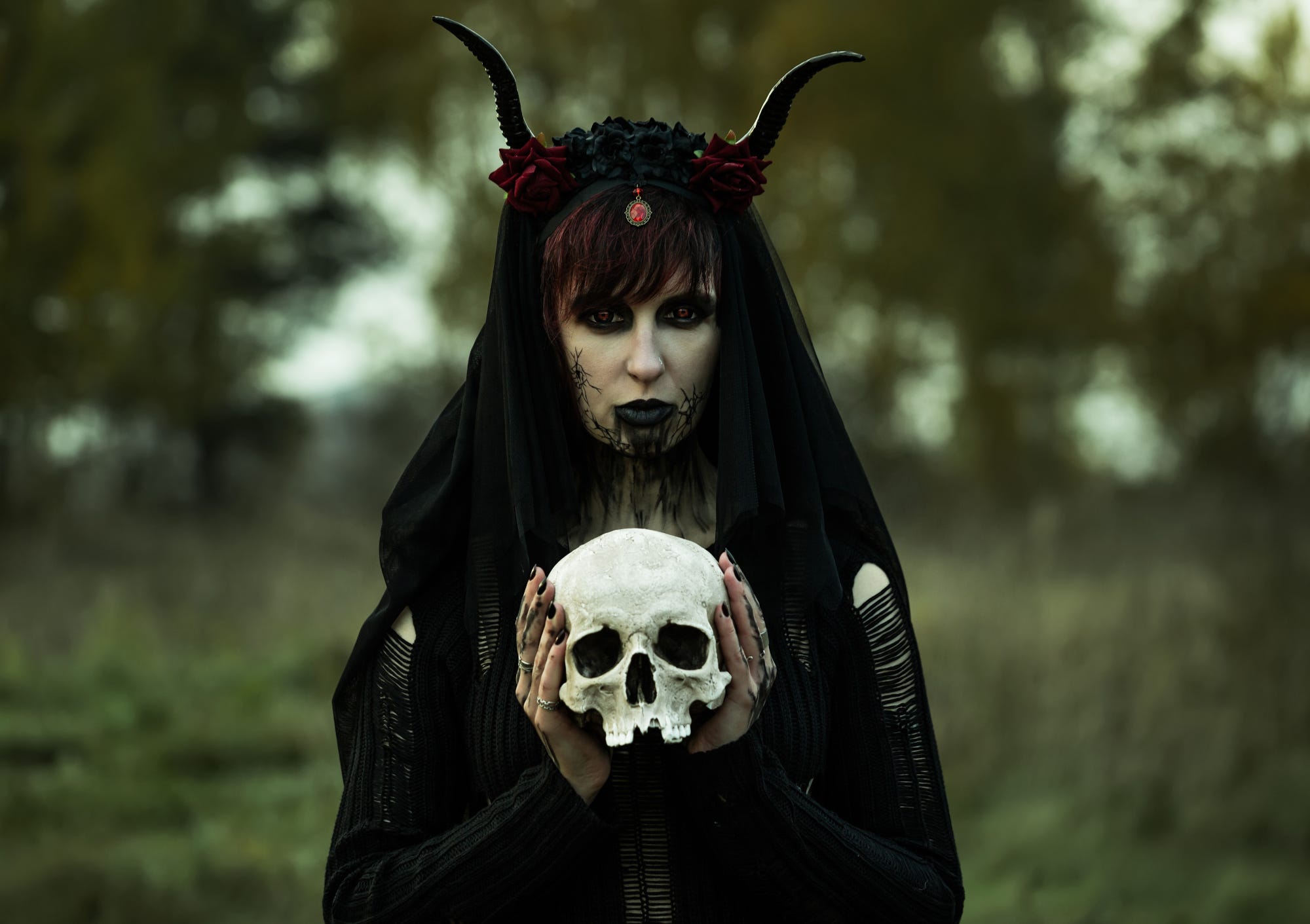
For centuries, people have whispered about strange visitors that arrive in the dead of night. Long before electric lights and modern science, the darkness felt deeper and far more mysterious. Among the most unsettling figures said to roam the sleeping world were the incubus and the succubus. These shadowy beings were believed to slip silently into bedrooms while their victims slept, leaving behind fear, confusion, and memories that felt far too real to dismiss as dreams.
The incubus was described as a male demon that preyed upon women during the night. Its counterpart, the succubus, was said to be a female spirit that sought out men. According to old stories, these entities did not simply haunt the darkness. They seduced, manipulated, and fed upon human vulnerability while their victims lay helpless in sleep.
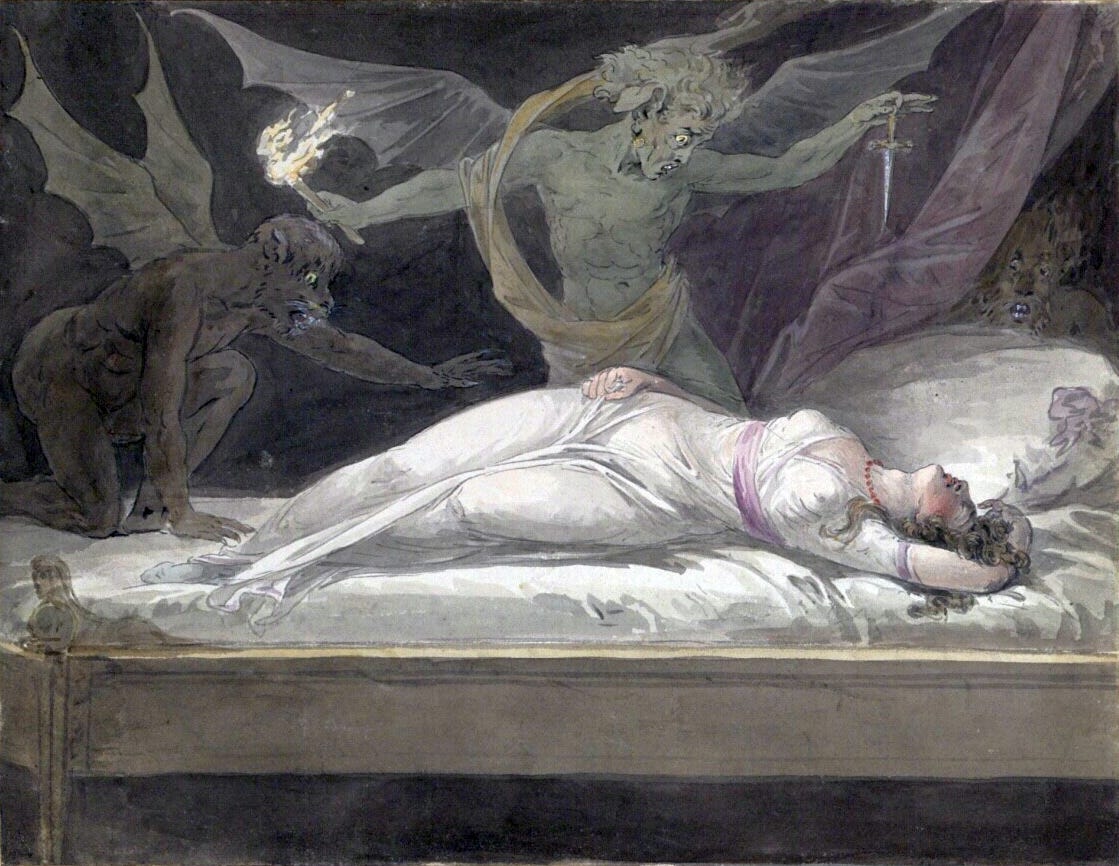
Encounters with these beings were often described with disturbing clarity. People claimed they could feel a presence in the room, something unseen watching from the shadows. In some stories the figure would slowly reveal itself, appearing human at first, but with something unsettling just beneath the surface. Victims often awoke shaken and terrified, unsure whether they had dreamed the encounter or experienced something far more sinister.

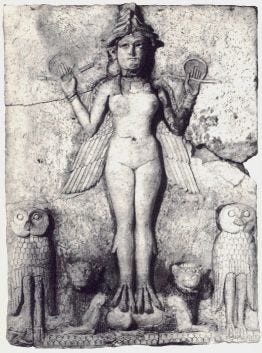
The roots of these creatures stretch far back into ancient mythology. In ancient Mesopotamia, stories spoke of night demons such as Lilitu that prowled in the darkness searching for victims. These spirits were blamed for nightmares, illness, and mysterious disturbances that came in the quiet hours before dawn. Over centuries these ancient legends slowly transformed into the incubus and succubus known throughout medieval Europe.
During the Middle Ages, belief in these demons became widespread and deeply feared. Religious scholars debated their existence and wrote lengthy accounts attempting to explain their powers. Some believed they were fallen angels who had turned their backs on heaven and now wandered the earth searching for ways to corrupt humanity.
People of the time often described waking in the night unable to move. Their bodies were frozen, their breathing heavy, and a crushing weight seemed to press down on their chest. In the darkness they sometimes sensed a figure perched beside them or leaning over their bed. To them there was only one explanation. A demon had come calling.
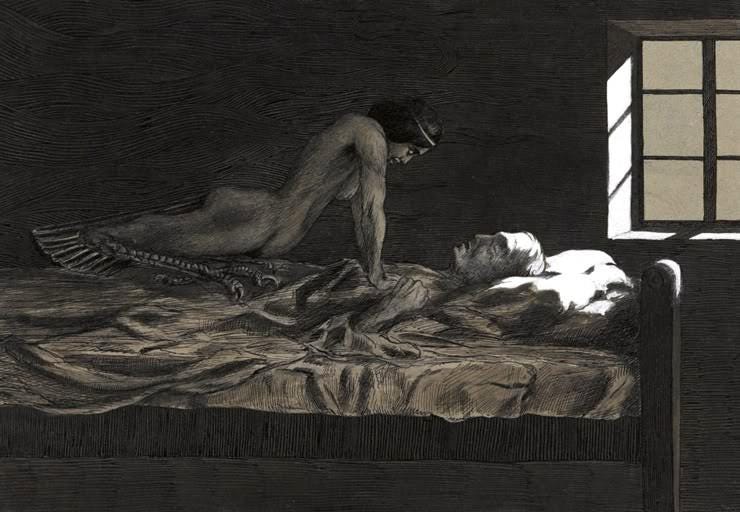

Today many researchers believe these experiences were cases of sleep paralysis. During this state, the mind awakens while the body remains trapped in sleep. Hallucinations can occur, and people may feel a powerful sense that someone or something is in the room. In earlier centuries, without scientific understanding, such experiences easily took on a supernatural meaning.
Medieval descriptions of incubi and succubi often gave them an eerie beauty. They were said to appear as alluring strangers who seemed almost too perfect. Yet witnesses often described subtle details that betrayed their true nature. Eyes that lingered too long, smiles that felt unnatural, or movements that seemed just slightly wrong.
Some legends grew even darker. According to certain medieval writers, a succubus would steal the essence of its victims and later take the form of an incubus to visit women. In this twisted cycle the demons were said to create life through deception, a disturbing explanation offered for mysterious pregnancies in a time when knowledge of the human body was limited.

As fear of witchcraft spread across Europe, these demons became entangled in accusations and trials. People accused of dealing with dark forces were sometimes said to have relationships with incubi or succubi. Testimonies recorded during witch trials described night visits, whispered promises, and shadowy figures appearing beside the bed.
The haunting image of these demons eventually found its way into art and literature. Painters portrayed them crouched over sleeping victims, their forms half hidden in darkness. Writers used them as symbols of temptation and hidden desire. The incubus and succubus became creatures that represented both fear and forbidden curiosity.
Even today these figures continue to appear in horror stories, films, and fantasy worlds. Modern portrayals often give them complex personalities, but the core idea remains the same. They are creatures of the night who thrive in the space between sleep and waking.
Despite centuries of scientific progress, the legend of the incubus and succubus has never fully disappeared. Perhaps it is because the night still holds mysteries that the human mind struggles to explain. When the lights are off and the room is silent, it is easy to imagine that something unseen might be watching from the darkness, waiting patiently for sleep to take hold.
References
Bane, Theresa. Encyclopedia of Demons in World Religions and Cultures. McFarland, 2014.
Caciola, Nancy. Discerning Spirits: Divine and Demonic Possession in the Middle Ages. Cornell University Press, 2003.
Guiley, Rosemary Ellen. The Encyclopedia of Demons and Demonology. 2nd ed., Facts On File, 2009.
Kramer, Heinrich, and Jacob Sprenger. Malleus Maleficarum. Translated by Montague Summers, Dover Publications, 1971.
Maxwell-Stuart, P. G. Demonology: A Very Short Introduction. Oxford University Press, 2009.
Owen, Davies. The Haunted: A Social History of Ghosts. Palgrave Macmillan, 2007.
Rosen, Barbara, editor. Witchcraft in England, 1558–1618. University of Massachusetts Press, 1991.
Scarre, Geoffrey, and John Callow. Witchcraft and Magic in Sixteenth- and Seventeenth-Century Europe. 2nd ed., Palgrave Macmillan, 2001.
Stephens, Walter. Demon Lovers: Witchcraft, Sex, and the Crisis of Belief. University of Chicago Press, 2002.