



The rise of Wicca in the 20th century is one of the most fascinating spiritual stories of the modern era. What began as a small, secretive religious movement in mid-century Britain eventually grew into a global spiritual path practiced openly by millions. Wicca did not emerge from a vacuum. It drew from folklore, ceremonial magic, Romanticism, and a growing dissatisfaction with rigid religious structures. By the end of the century, it had transformed from an obscure curiosity into one of the most recognizable forms of modern Paganism.
A central figure in this story is Gerald Gardner. In the 1950s, Gardner claimed he had been initiated into a surviving witch cult in England. He began publishing books that described the beliefs and rituals of what he called the Witch Cult, presenting it as a continuation of ancient pre-Christian traditions. His works, including “Witchcraft Today,” sparked widespread interest and controversy.
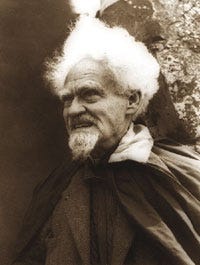

Gardner’s ideas did not appear out of thin air. They were influenced by earlier writers such as Margaret Murray, whose now discredited Witch Cult hypothesis argued that European witch trials targeted members of a hidden pagan religion. Although historians later rejected her theory, it strongly shaped Gardner’s framework. It gave early Wicca a sense of historical depth and rebellious mystique.
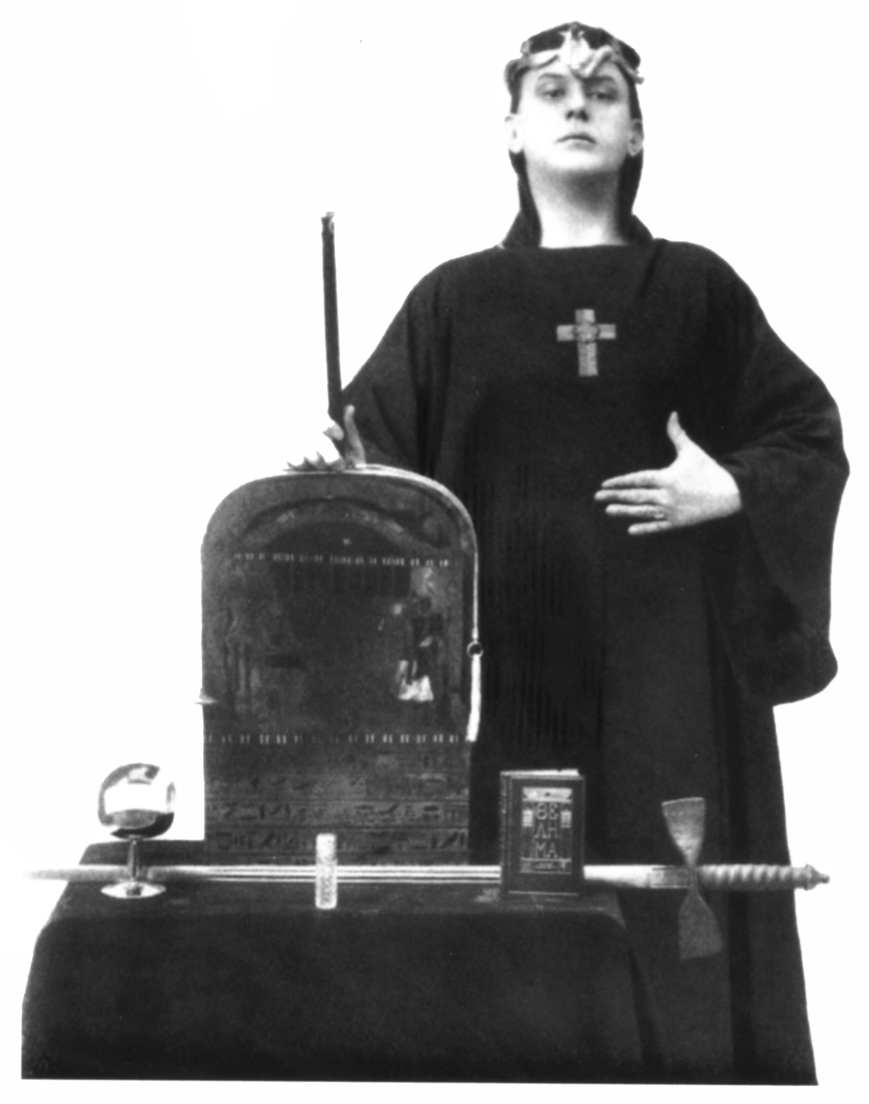
Another major influence on the formation of Wicca was Aleister Crowley. Crowley’s ceremonial magic system, Thelema, contributed ritual structure, symbolism, and liturgical language to early Wiccan practice. Gardner had known Crowley toward the end of Crowley’s life, and elements of his magical philosophy filtered into Wiccan rites. While Wicca would develop its own identity, its early liturgy carried clear ceremonial influences.

In 1951, Britain repealed the Witchcraft Act of 1735, replacing it with the Fraudulent Mediums Act. This legal change created a space for Gardner and others to speak more openly about witchcraft without fear of prosecution. Public interviews and media appearances soon followed. What had once been whispered about in secret circles began appearing in newspapers and magazines.
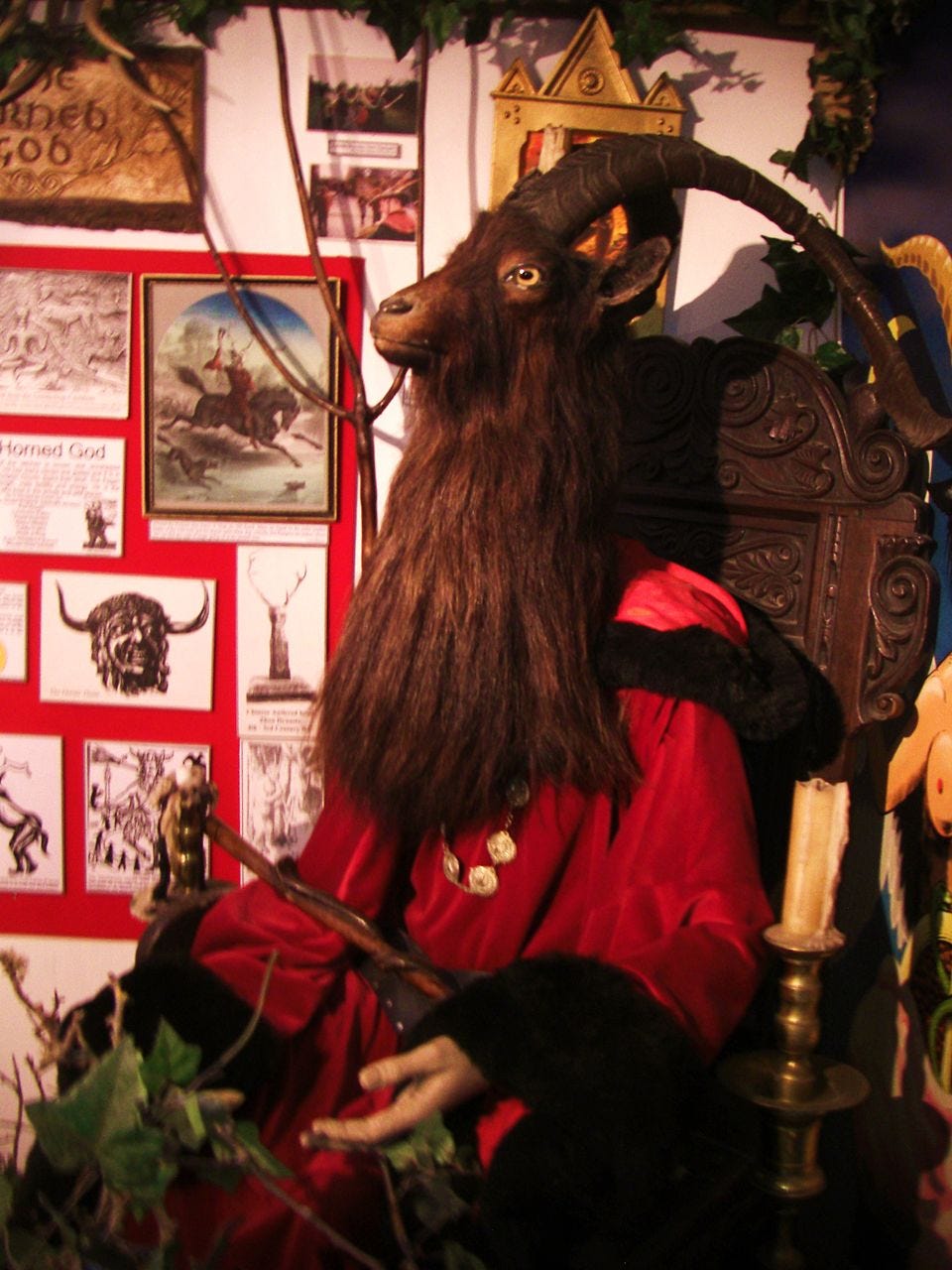
Early Wicca was initiatory and coven based. It emphasized lineage, secrecy, and formal degrees of advancement. Rituals were often performed skyclad, meaning without clothing, and centered on the worship of a Goddess and a Horned God. The balance of masculine and feminine divine forces became a defining theological feature.
During the 1960s and 1970s, Wicca crossed the Atlantic and took root in the United States. The broader counterculture movement, with its rejection of mainstream institutions and embrace of alternative spirituality, created fertile ground. Environmentalism, feminism, and personal spiritual exploration all aligned naturally with Wiccan ideas. The Goddess movement in particular found resonance within Wiccan theology.

One of the key figures in popularizing Wicca in America was Raymond Buckland. Buckland, who had been initiated into Gardnerian Wicca in England, established one of the first Gardnerian covens in the United States. He later wrote accessible books that introduced solitary practitioners to Wiccan beliefs and practices. His work helped shift Wicca from a closed initiatory tradition to something more adaptable.
Another influential voice was Starhawk, whose 1979 book “The Spiral Dance” blended Wicca with feminist spirituality and political activism. Starhawk’s approach emphasized ecological awareness, social justice, and the immanence of the divine in nature. Her work attracted readers who were less interested in strict lineage and more interested in personal empowerment. This marked a significant broadening of what Wicca could look like.
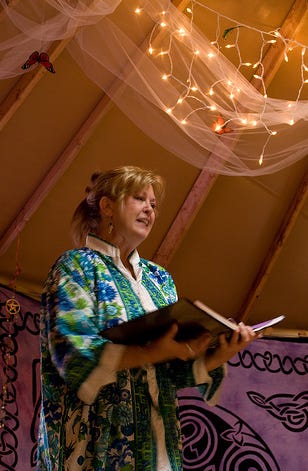

By the 1980s and 1990s, solitary practice had become increasingly common. Published books, occult shops, and eventually the internet made information widely available. Many practitioners self initiated, adapting rituals to fit their own spiritual needs. Eclectic Wicca emerged, blending elements from different traditions and cultures.
At the same time, Wicca began receiving official recognition. In the United States, court rulings affirmed the rights of Wiccan practitioners to religious freedom, including the ability to worship in prison and serve in the military. Pentacles were eventually approved for placement on veterans’ headstones. These developments signaled that Wicca was no longer confined to the cultural margins.
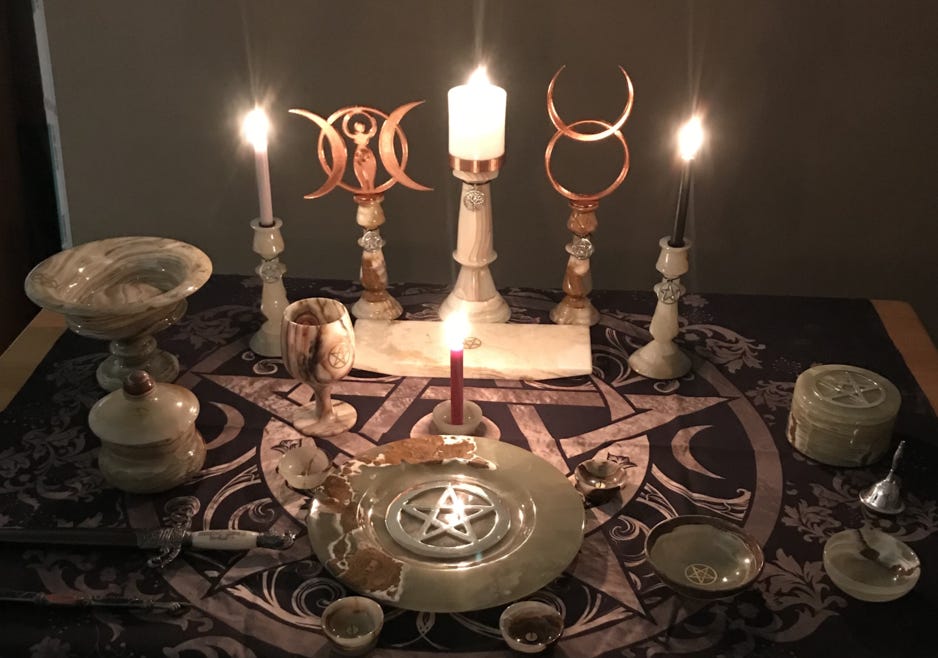

Popular culture also played a role in Wicca’s visibility. Television shows and films featuring witches, magic, and empowered female characters helped normalize witchcraft themes for younger generations. While these portrayals were often fictionalized, they sparked curiosity and led many people to explore real world Wiccan traditions.
By the end of the 20th century, Wicca had firmly established itself as a modern religion rooted in ritual practice, reverence for nature, and personal spiritual responsibility. Its growth reflected larger cultural shifts toward individualism and spiritual experimentation. What started as a small circle of initiates in post war Britain evolved into a diverse, global movement. The rise of Wicca shows how spiritual traditions can be both deeply rooted in symbolism and completely modern in expression.
References
Buckland, Raymond. Buckland’s Complete Book of Witchcraft. Llewellyn Publications, 1986.
Crowley, Aleister. Magick in Theory and Practice. Lecram Press, 1929.
Gardner, Gerald. Witchcraft Today. Rider & Company, 1954.
Gardner, Gerald. The Meaning of Witchcraft. Aquarian Press, 1959.
Heselton, Philip. Wiccan Roots: Gerald Gardner and the Modern Witchcraft Revival. Capall Bann Publishing, 2000.
Hutton, Ronald. The Triumph of the Moon: A History of Modern Pagan Witchcraft. Oxford University Press, 1999.
Kelly, Aidan. Crafting the Art of Magic: A History of Modern Witchcraft, 1939–1964. Llewellyn Publications, 1991.
Murray, Margaret A. The Witch-Cult in Western Europe. Oxford University Press, 1921.
Starhawk. The Spiral Dance: A Rebirth of the Ancient Religion of the Great Goddess. Harper & Row, 1979.