



The question of whether Enochian is a constructed language or a revealed language has fascinated mystics, linguists, and curious readers for centuries. At the center of the debate are two intriguing 16th century figures, John Dee and Edward Kelley, who claimed the language came directly from angels. Depending on who you ask, Enochian is either a divine gift or an elaborate human invention.
Enochian first appeared in the late 1500s during Dee and Kelley’s spiritual sessions. Dee was a respected mathematician and advisor to Queen Elizabeth I, deeply interested in astronomy, alchemy, and communication with higher beings. Kelley acted as a scryer, gazing into crystals or mirrors and reporting messages from angels. According to their journals, these angels dictated an entirely new language to them.
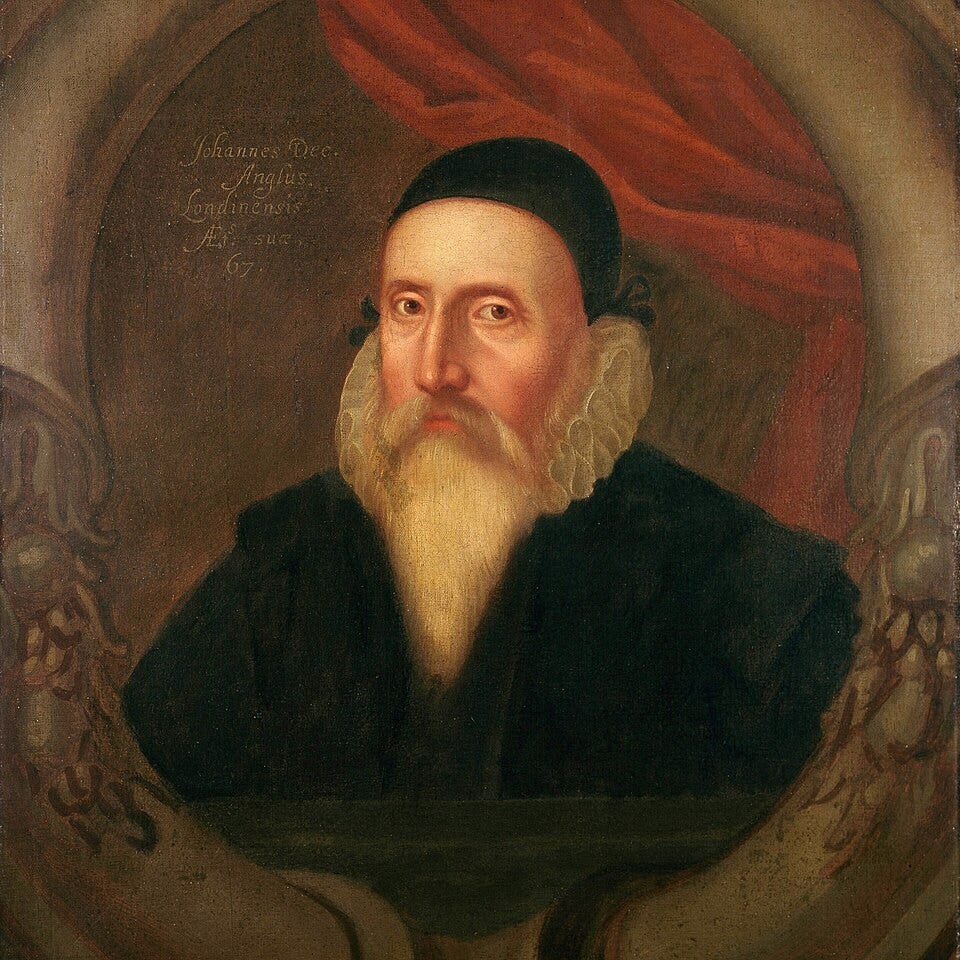

Supporters of the revealed language idea point to the detailed records Dee kept. He carefully documented the angelic communications, including complex tables of letters and words. The language seemed to come through in a structured way, not as random sounds. To believers, that level of order suggests something beyond simple improvisation.
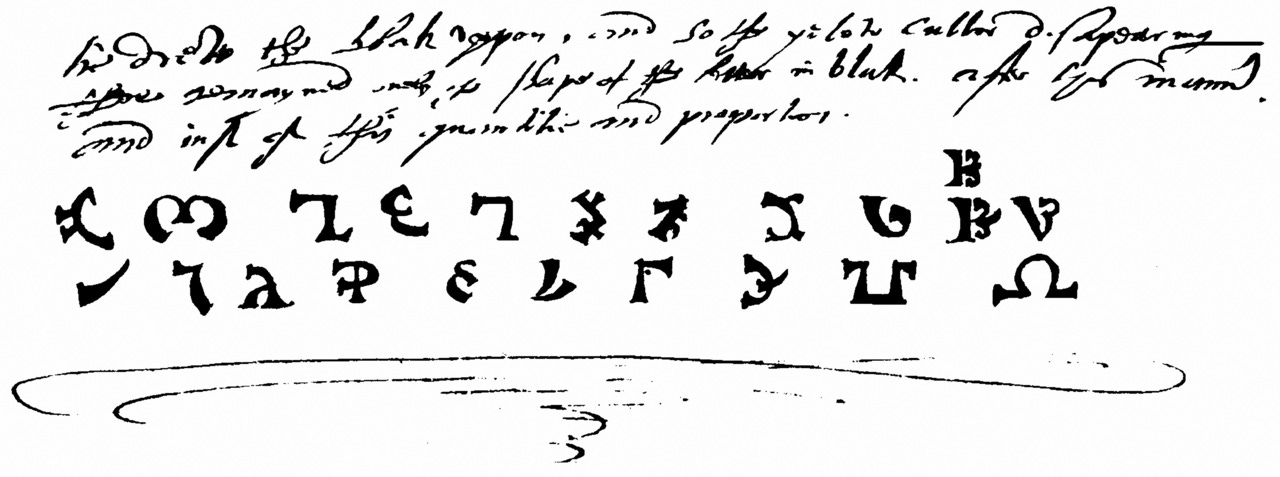
Enochian even has its own alphabet, often called the Enochian script. The letters look exotic and symbolic, adding to the sense that this was something otherworldly. Dee and Kelley claimed the angels provided both the spoken form and the written characters. That combination makes it feel more complete than many casual inventions.
.png)
On the other hand, many linguists approach Enochian as a constructed language. A constructed language, or conlang, is any language that was intentionally created rather than naturally developed. Famous examples include J.R.R. Tolkien’s Elvish languages and the Klingon language from Star Trek. From this perspective, Enochian fits the pattern of a human-designed system.
Critics argue that Enochian grammar is not as consistent or complete as one might expect from a fully developed natural language. Some scholars have noted similarities between Enochian vocabulary and English. That overlap raises the possibility that Dee or Kelley unconsciously shaped the language based on what they already knew.
There is also the historical context to consider. The 16th century was a time of intense religious and mystical exploration in Europe. Angels, alchemy, and secret knowledge were popular topics among intellectual circles. It would not have been unusual for someone like Dee to attempt creating a sacred language as part of a spiritual quest.
Still, the way Enochian was reportedly received adds mystery. Kelley claimed the angels spelled out words letter by letter, sometimes even in reverse order. Dee transcribed everything carefully, often expressing confusion about what the messages meant. To believers, that confusion suggests authenticity rather than fabrication.
Some modern occult traditions treat Enochian as genuinely angelic. Groups inspired by figures like Aleister Crowley incorporated Enochian calls and symbols into their rituals. In these circles, the language is not just historical curiosity but a living spiritual tool. That continued use reinforces the idea that it carries a special origin.
Meanwhile, academic researchers tend to stay cautious. They point out that there is no independent evidence of angels dictating the material. All we have are Dee’s journals and Kelley’s reported visions. From a scholarly standpoint, that makes Enochian more likely a product of human creativity.
There is also a middle ground that some people find compelling. Even if Enochian was shaped by Dee and Kelley, believers argue it could still be inspired rather than purely invented. In other words, it might be both constructed and revealed in different senses. Human minds, after all, can blend imagination and spiritual experience.
When people compare Enochian to modern conlangs, the differences are interesting. Modern creators usually design languages with clear grammatical rules and extensive vocabulary. Enochian feels more fragmentary, as if it was revealed in pieces. That unevenness fuels debate on both sides.
Psychologists might suggest another explanation. Altered states of consciousness, especially in intense spiritual settings, can produce vivid and structured experiences. Kelley’s scrying sessions could have tapped into deep layers of imagination. That does not necessarily mean deliberate fraud, but it does suggest a human source.
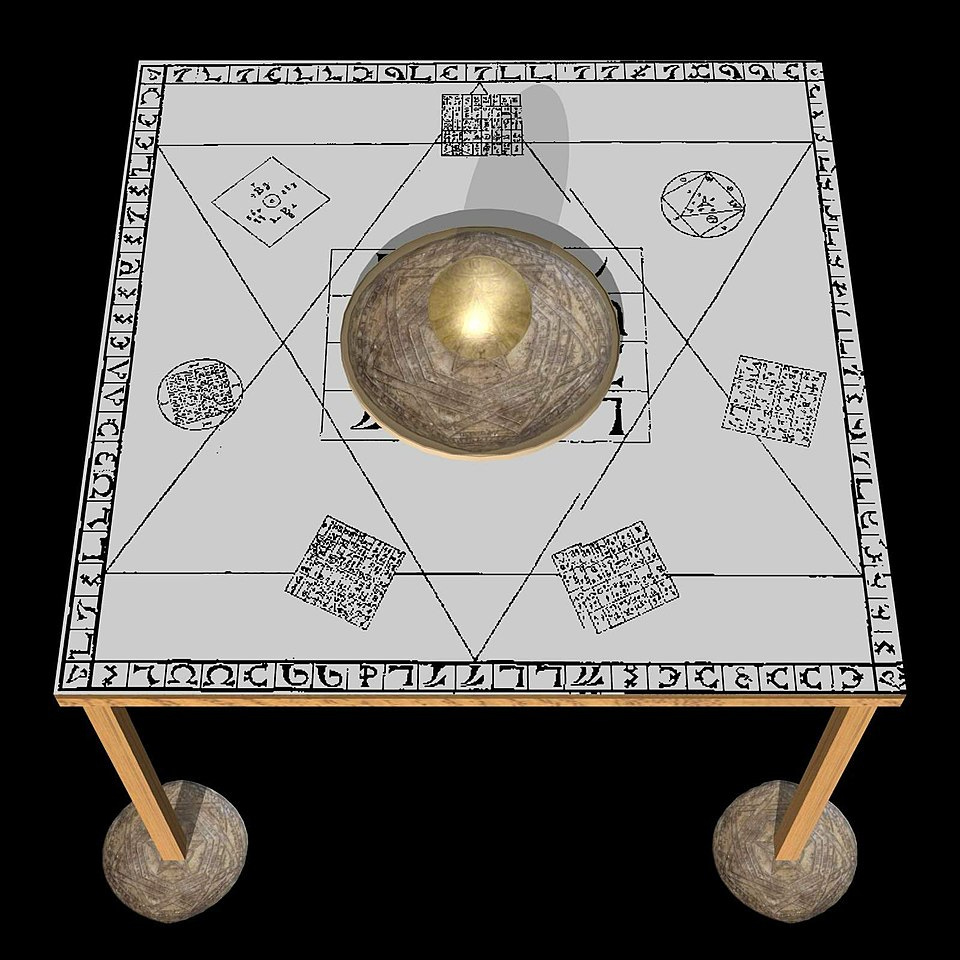

At the same time, the symbolic power of Enochian cannot be dismissed easily. For those who practice rituals using its words, the language feels meaningful and potent. Whether constructed or revealed, its impact on Western esoteric tradition is undeniable. It has shaped magical systems and inspired countless seekers.
In the end, the question might say more about worldview than about hard evidence. If you believe divine beings can communicate directly with humans, Enochian as a revealed language makes sense. If you lean toward historical and linguistic explanations, it looks like a fascinating early conlang experiment.
So, is Enochian constructed or revealed? The honest answer is that we cannot prove either claim beyond doubt. What we can say is that it sits at a unique crossroads of mysticism, creativity, and history. And maybe that mystery is exactly why people are still talking about it centuries later.
Here is the Substack on In Tenga Bithnua https://substack.com/@andrewhiggins255544/note/p-189454575?r=2chv14&utm_medium=ios&utm_source=notes-share-action
This is great and fascinating. I recently did a Substack on an older “angelic” seemingly invented language found in the 15th century Book of Lismore called In Tenga Bithnua - the Ever New Tongue which was spoke by the Apostle Philip in an apocalyptic text. Like Enochian there is a sense that this is not just glossolia but a constructed language - another example I have explored is Hildegard von Bingen’s Lingua ignota from the 12th century. This is an interesting tradition of language invention to explore.